
Product updates
Nov 11, 2025
Treema AI introduces the next phase: the AI headquarters
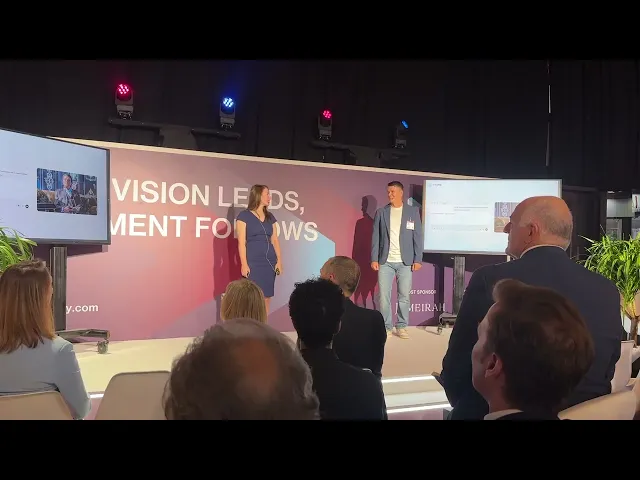
At the Future Hospitality Summit in Dubai, Treema shared its next major milestone — Treema AI Headquarters (HQ), a unified operating system that connects all Treema AI agents into one intelligent hotel management hub.
While most hotel groups are experimenting with AI tools, adoption remains fragmented. Treema’s goal is to make AI in hospitality not just accessible, but orchestrated — so insights, operations, and guest engagement flow seamlessly together.
Why hotels need orchestration, not more tools
The average mid-size hotel now uses over 20 different software systems — from PMS to CRM, booking, and analytics. Yet fewer than 10% of those systems exchange data in real time. The result: more dashboards, less clarity.
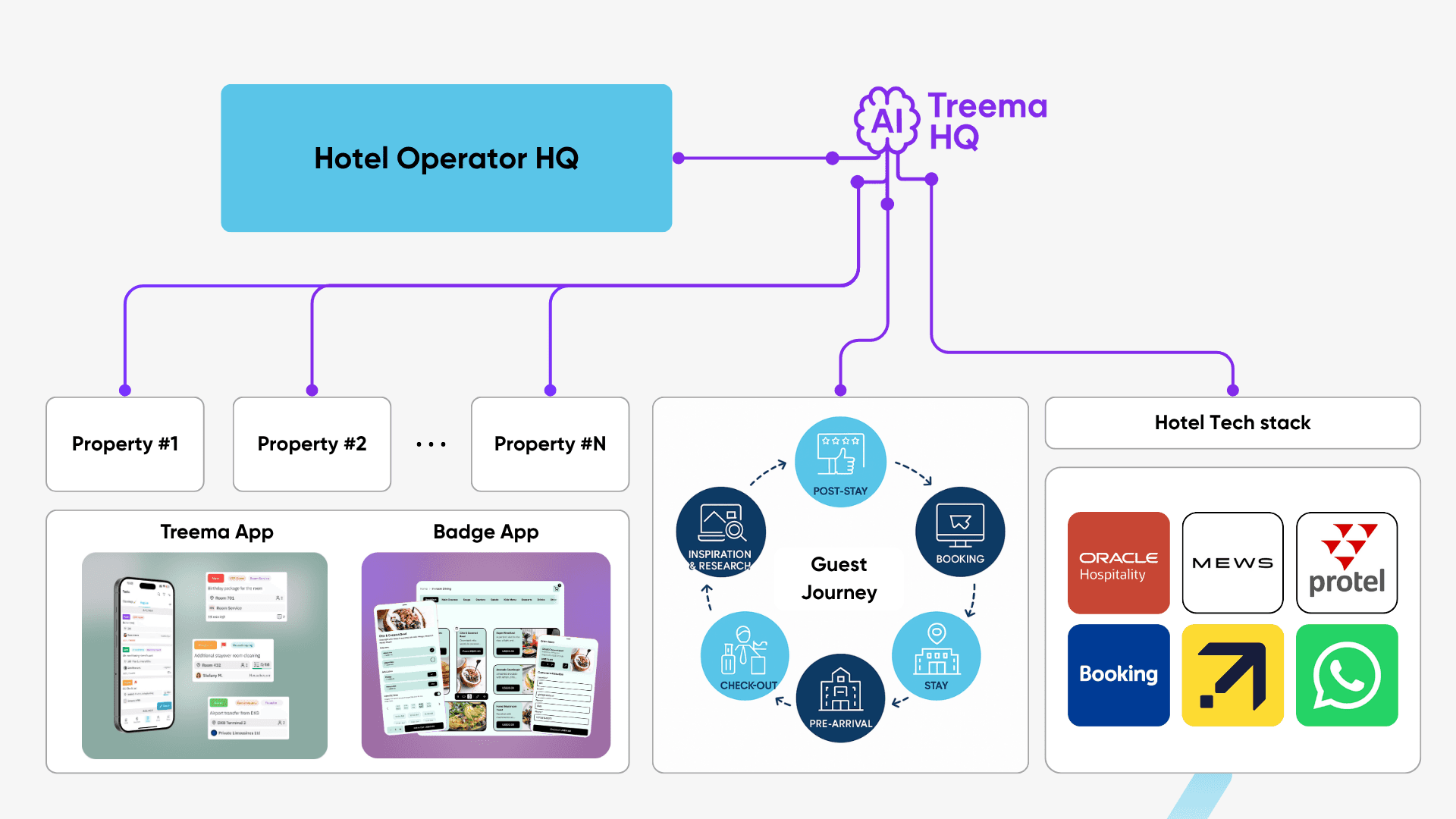
Treema AI HQ changes that by introducing a single intelligence layer that connects data, people, and processes across every department.
It’s not another tool — it’s the structure that lets every tool work together.
As presented at FHS:
“Hospitality doesn’t need more systems. It needs a headquarters — one brain that connects people, systems, and processes.”
The next step in Treema’s evolution
For over a decade, Treema has been building technology for hotels — from its SaaS task management and operational automation systems to its e-commerce and online shop modules that power direct upselling.
The introduction of AI agents builds naturally on this foundation.
Today, those standalone solutions — once used independently — are being connected through Treema AI HQ, a unified intelligence layer that lets every system learn, adapt, and collaborate in real time.
As presented at FHS:
“Hospitality doesn’t need more tools. It needs a headquarters — one brain that connects people, systems, and processes.”
The AI agents inside
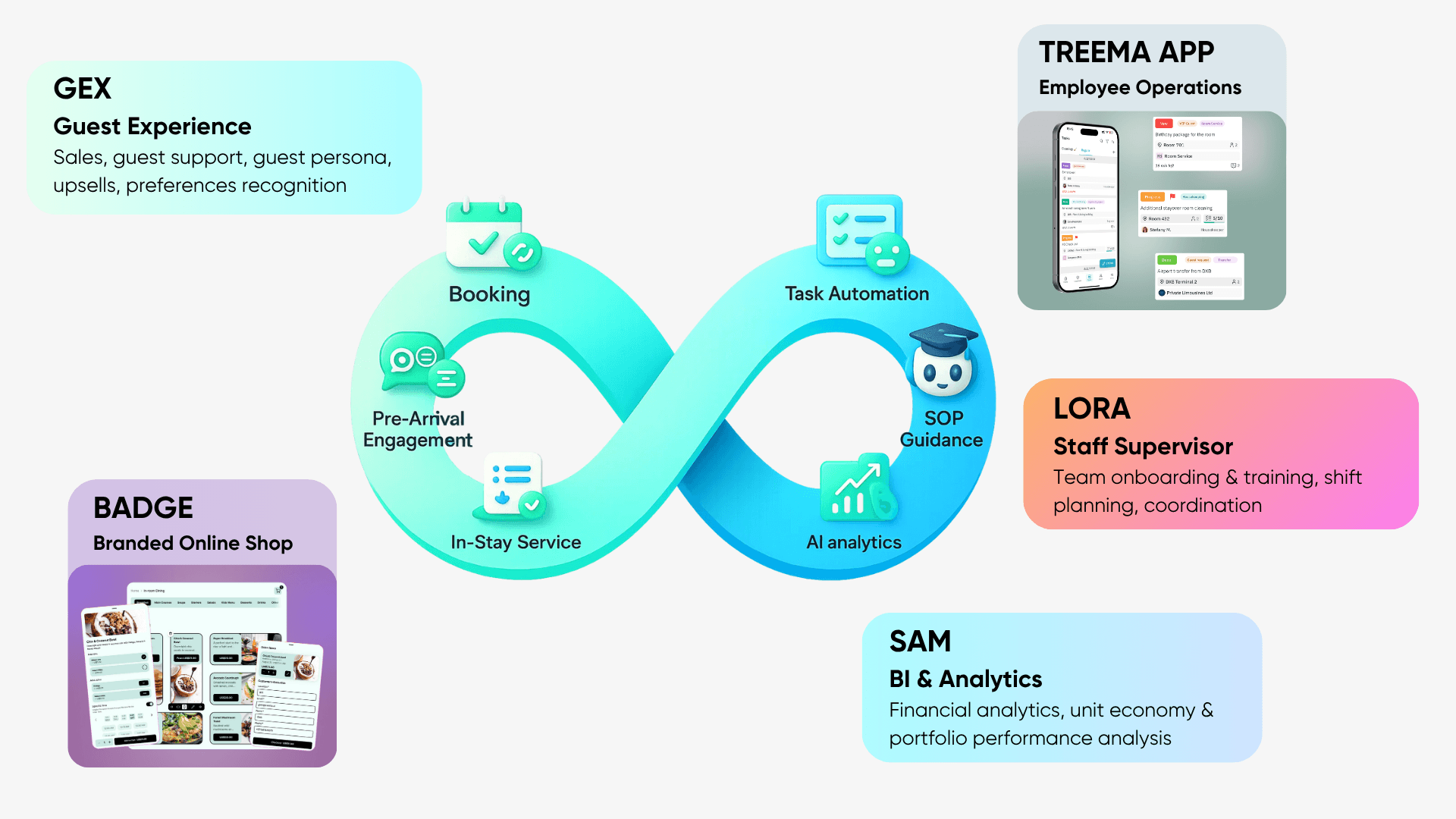
The headquarters integrates Treema’s existing suite of proven AI agents:
LORA (Learning and Onboarding Assistant) – speeds up training, ensures operational standards, and helps staff deliver consistent service.
SAM (Smart Analyst Manager) – automates analysis, tracks KPIs, and delivers daily insight reports in natural language.
GEX (Guest Experience Agent) – enhances communication, automates upselling, and personalizes guest experiences by understanding intent and preferences.
Each agent operates autonomously but becomes exponentially more powerful when linked through HQ — where data and actions are shared instantly between departments.
This combination of AI agents + legacy SaaS tools means Treema can orchestrate everything from guest messaging and e-commerce offers to task execution and group reporting — all within one ecosystem.
“AI doesn’t describe what to do — it gets it done.”
Results and early indicators
Treema AI HQ brings measurable outcomes for hotels of any size:
25–30% faster operational decision-making through automated data flow.
20% reduction in middle-management workload, freeing leaders for strategic work.
Higher guest engagement and conversion, driven by GEX’s real-time personalization and Treema’s connected online shop engine.
As shared during FHS, one hotel leader pointed out that a 100-room midscale property in China now runs with just 0.17 FTE per room — compared to 0.7 globally — by connecting every process through AI orchestration.
That’s the kind of efficiency Treema is bringing to hotel operators in the GCC, Europe, and beyond.
What’s next
After its introduction at FHS, Treema is expanding pilot programs with hotel groups in the GCC and Europe, focusing on live integration of HQ with existing property systems and guest platforms.
The next rollout will add specialized AI supervisors for marketing, pricing, reputation, and maintenance, extending automation across every back-of-house process.
The goal is to create the first truly AI-orchestrated digital headquarters for hospitality — one that thinks, learns, and acts alongside your team.
Join the next chapter
Treema is opening collaboration opportunities with hotel operators, technology partners, and investors ready to build the next generation of intelligent operations.
Blog